Understanding the Toy Kitchen Phenomenon
The toy kitchen has become a staple in playrooms around the world, offering children an engaging platform to explore the joys of cooking and creativity. These miniature culinary setups not only captivate young minds with their vibrant colours and fun designs but also play a crucial role in the developmental stages of childhood. In this article, we will delve into the significance of toy kitchens, examining their benefits, trends, and the vital role they play in a child's growth and education.
What is a Toy Kitchen?
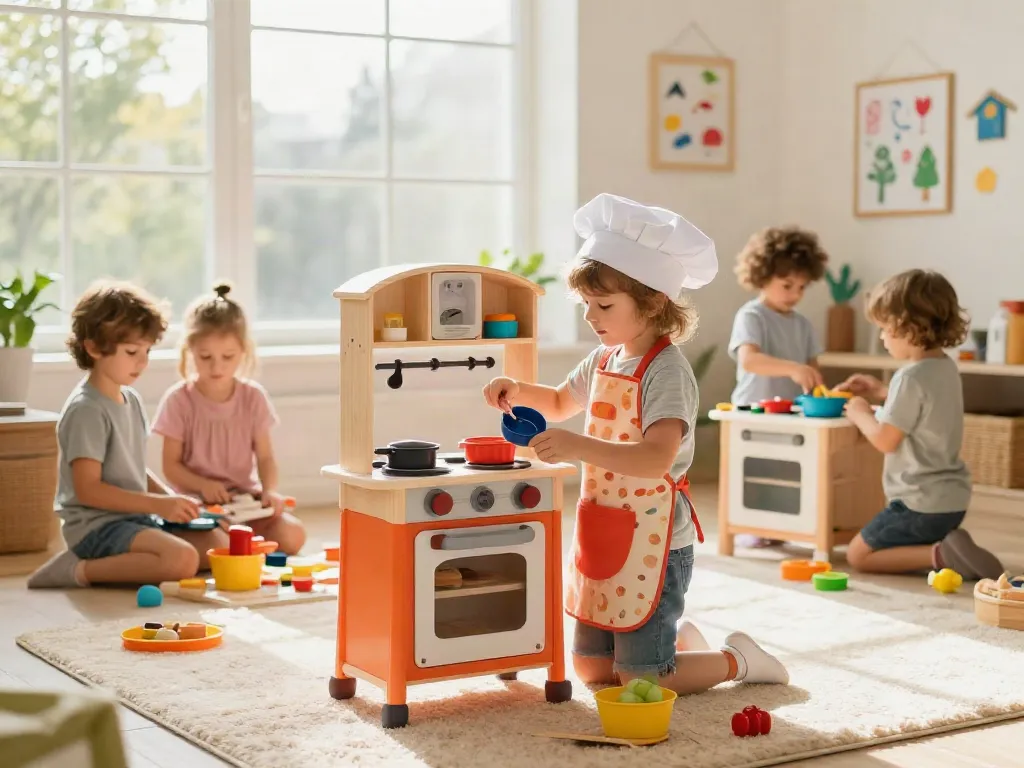
A toy kitchen is a scaled-down version of a real kitchen, typically crafted from wood or plastic, designed for children to play pretend cooking and food preparation. These imaginative playsets often come equipped with various accessories such as pots, pans, utensils, and play food, allowing little ones to replicate the cooking experiences they observe in their daily lives. From simple countertop models to elaborate, multi-functional kitchens with sound effects and lights, toy kitchens offer diverse options to suit every child's preferences and imaginative needs.
Benefits of Pretend Cooking for Children
- Creativity and Imagination: Pretend play encourages children to create scenarios, develop storylines, and express themselves creatively.
- Cognitive Development: Engaging in play cooking helps enhance problem-solving skills, as children learn to navigate tasks like preparing meals and managing kitchen resources.
- Motor Skills: Manipulating various kitchen tools and play food aids in the development of fine motor skills, coordination, and dexterity.
- Social Skills: Playing together with peers or family members fosters collaboration, negotiation, and communication, essential components of social interaction.
- Understanding Nutrition: Through imaginative cooking, children can learn about healthy eating, food groups, and the importance of nutrition.
How Toy Kitchens Enhance Creativity and Imagination
Toy kitchens provide children with an open-ended platform for creative expression. When children step into their set, they can become chefs, restaurant owners, or even food critics. This freedom to reinvent themselves through play allows them to experiment with different roles, boosting their confidence and imaginative thinking. The incorporation of themes, such as baking or international cuisine, further expands their creative outlets and fosters an appreciation for diverse culinary practices.
Top Trends in Toy Kitchen Design for 2026
The world of toy kitchens is continuously evolving, reflecting changes in design aesthetics, technology, and environmental consciousness. As we look ahead to 2026, several trends are shaping the future of these beloved playsets.
Innovative Features and Technology in Modern Toy Kitchens
Today's toy kitchens are no longer just simple play structures; they are increasingly integrated with technology. Many modern designs feature interactive elements such as lights, sounds, and even built-in smart technology that can teach children about cooking techniques or nutrition. These advancements not only make playtime more engaging but also create a bridge between entertainment and education. For instance, some sets now come with mobile applications that allow parents to track and encourage educational play, turning the kitchen into an interactive learning hub.
Sustainable Materials and Eco-Friendly Options
With a growing awareness of environmental issues, many manufacturers are leaning towards sustainable materials for toy kitchen production. This includes the use of recycled plastics, sustainably sourced wood, and non-toxic finishes. Parents are increasingly seeking eco-friendly options that not only provide safe play experiences for their children but also instil eco-conscious values from a young age.
Customisation Trends: Personalizing Your Child's Toy Kitchen
In a world dominated by individuality, customisation is becoming a key trend in toy kitchen design. Brands are now offering options for personalisation, allowing children to pick colours, add stickers, or choose specific accessories that reflect their personalities. This provides a more meaningful play experience and fosters a sense of ownership and pride in their toys.
Choosing the Right Toy Kitchen for Your Child
Selecting the ideal toy kitchen for your child involves considering various factors that impact both safety and enjoyment. Here are some crucial aspects to keep in mind when making your choice.
Age-Appropriate Features and Safety Considerations
When choosing a toy kitchen, it is essential to select one that is age-appropriate. For younger children, look for kitchens with rounded edges and fewer small accessories to avoid choking hazards. On the other hand, older kids may enjoy more complex layouts with additional tools and features. Always check for safety certifications and ensure the kitchen is made from non-toxic materials. This guarantees that the playset is not only fun but also safe for your little chef.
Comparative Review of Top Brands in 2026
Several brands lead the market in toy kitchen design, each offering unique features and benefits. Here is a comparative review of some of the most popular options available in 2026:
- Tiny Land: Known for beautifully crafted wooden kitchens, Tiny Land emphasizes creativity and skill-building.
- Melissa & Doug: Their extensive range includes kitchens that promote imaginative play with realistic accessories and designs.
- Little Tikes: Renowned for durable, child-friendly designs, their kitchens often feature interactive elements for engaging play.
Price Ranges and Budgeting for Quality
Prices for toy kitchens can vary significantly based on the materials, features, and brand reputation. Budget-conscious parents can find decent options starting at around £50, while high-end models may cost upwards of £200. It is crucial to balance your budget with quality to ensure that the kitchen is durable and safe. Investing in a good-quality toy kitchen can provide years of imaginative play and learning for your child.
Maximising Playtime with Toy Kitchens
Once you’ve selected the perfect toy kitchen, it’s essential to maximise playtime through engaging activities that enhance learning and development.
Engaging Activities to Boost Child Development
Encourage collaborative play by setting up scenarios where children can cook for family members or friends. Activities like role-playing as a chef or hosting a dinner party can stimulate social skills and creativity. Additionally, parents can introduce themes like “Cultural Cuisine Night” to broaden their children's understanding of global food traditions.
Integrating Learning with Play in Your Child’s Kitchen
Incorporate educational elements into playtime by discussing healthy eating habits and teaching children about the nutritional value of different foods. Invite children to help in meal preparation in the family kitchen to enhance the connection between play and real-life skills.
Creative Recipes for Pretend Cooking Games
Make pretend cooking even more exciting by introducing simple, fun recipes that children can replicate using their play food. For example, engage them in a “bake-off” where they can create their imaginary cupcakes or pizza. This type of play not only fuels creativity but also enhances their understanding of cooking processes.
Future Predictions for Toy Kitchen Playsets
The future of toy kitchens looks bright, with emerging trends that promise to create even more enriching experiences for children. Below are some predictions for the upcoming years.
Emerging Themes and Concepts for 2027
As technology continues to advance, we can expect to see toy kitchens that incorporate augmented reality (AR) features, allowing children to engage with their playsets in entirely new ways. Imagine being able to see virtual recipes or cooking shows through a device while they play! Additionally, themes focusing on sustainability will likely inspire new designs that reflect eco-friendly practices.
The Role of Educators and Parents in Pretend Play
Educators and parents are increasingly recognising the intrinsic value of pretend play in child development. As experts in childhood education advocate for the importance of imaginative play, we can expect to see more resources created to guide parents in facilitating engaging play experiences with toy kitchens.
Expert Insights on the Evolution of Toy Kitchens
Experts suggest that as play kitchens evolve, they will not only serve as platforms for imaginative play but also play roles in family bonding and educational development. This shift towards holistic play experiences will further emphasise the importance of engaging multiple senses and skill sets in children's playtime.
What Will Toy Kitchens Look Like in the Coming Years?
While it’s hard to predict with certainty, we can foresee toy kitchens becoming more multifunctional and interactive. Future designs may integrate features that allow children to connect with smart devices, possibly including virtual cooking classes or interactive games relating to meal prep.